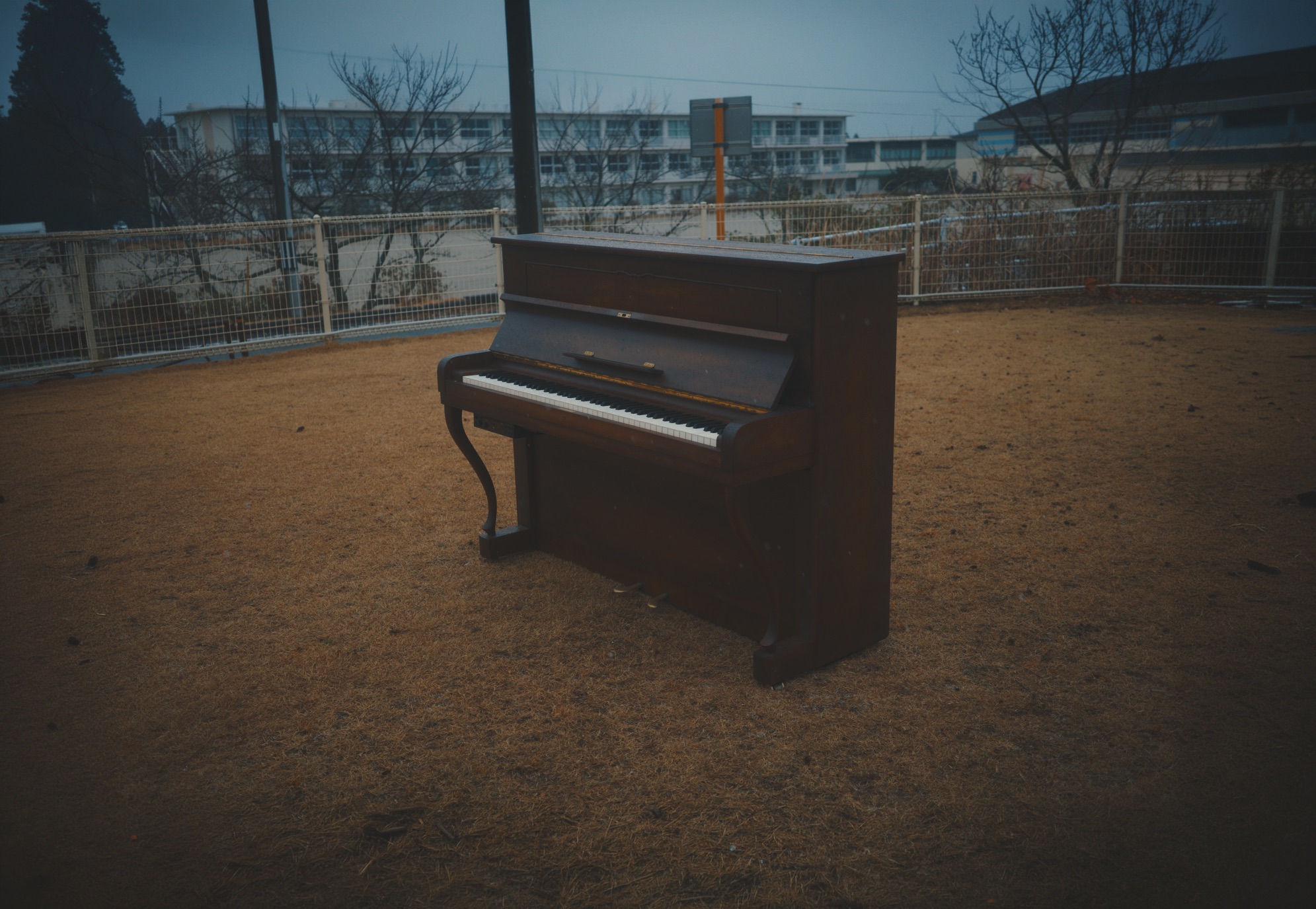
Piano to Nature – a long experiment – 2
2026
In March 2023, musician and artist Ryuichi Sakamoto passed away.
In 2014, he began an “experiment to return the piano to nature,” placing an old piano he had found in Hawaii in the garden of his New York home. Exposed to rain, wind, and time, the instrument—once a product of human civilization—was left to gradually decay as he quietly observed its subtle transformations.
On March 11, 2026, fifteen years after the Great East Japan Earthquake, Seitaro Yamazaki will carry forward Sakamoto’s spirit of “social sculpture” in Hirono Town, Fukushima Prefecture.
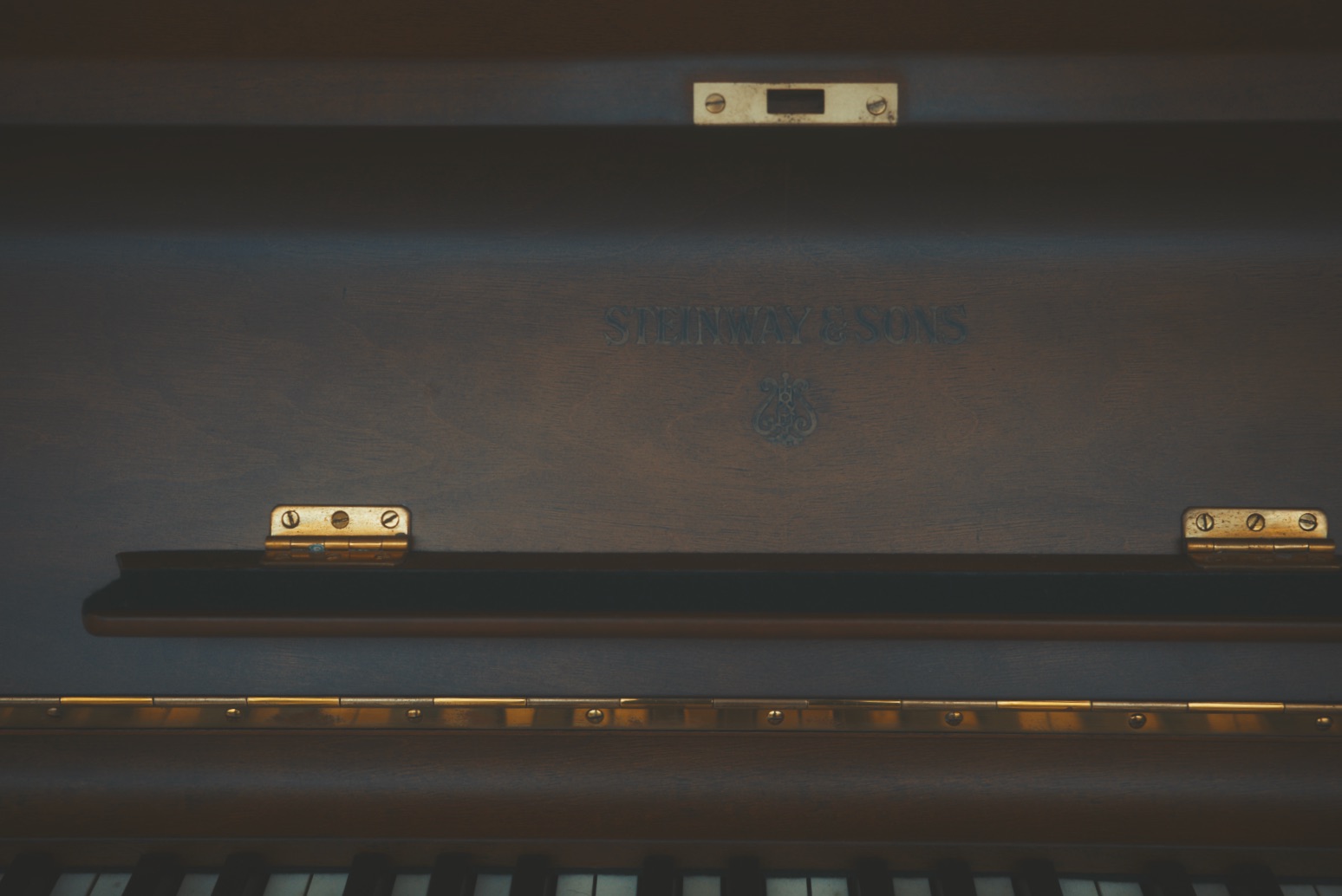
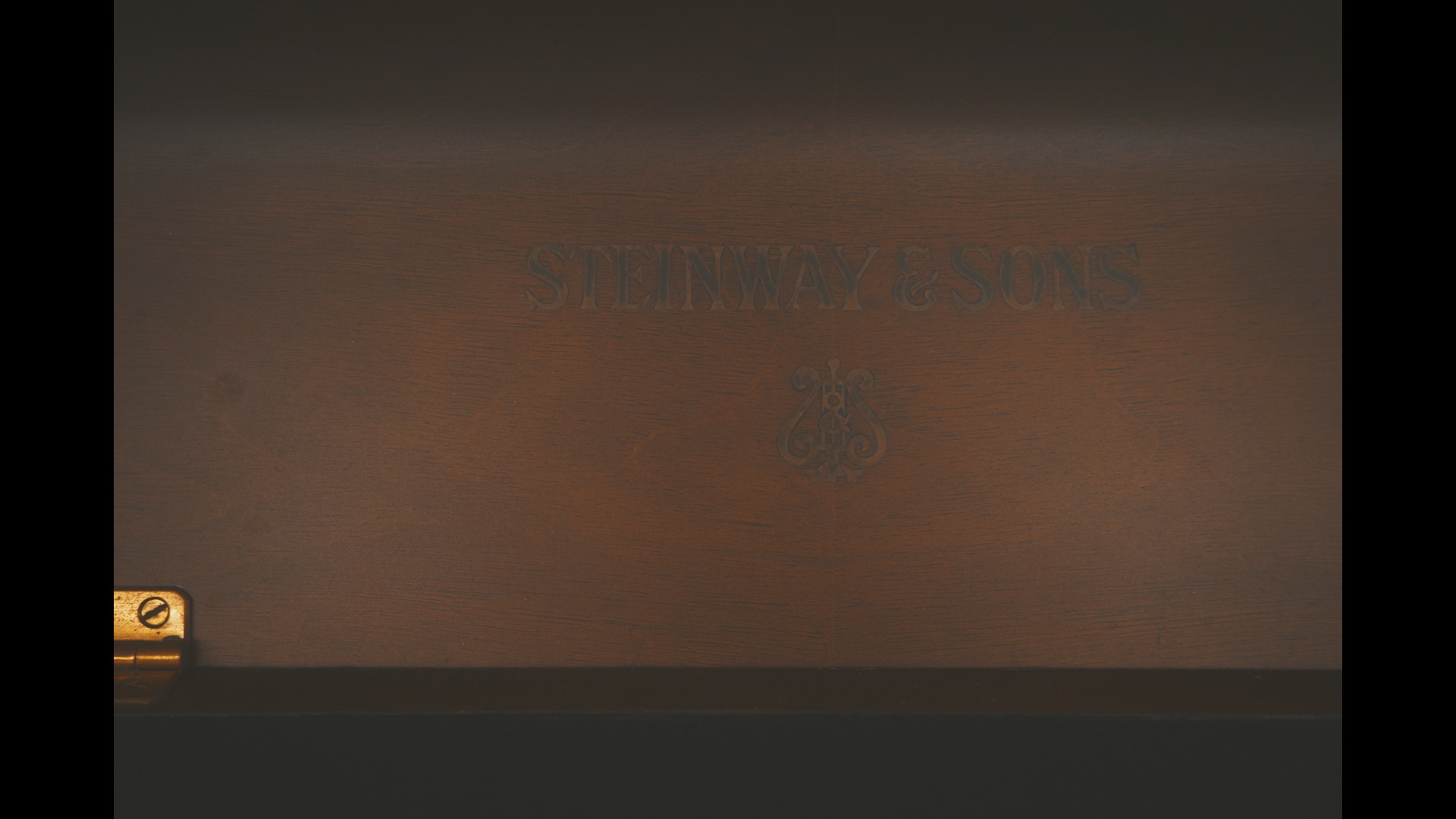
The second piano in this experiment is a 1960s STEINWAY & SONS Model Z114 (Chippendale), the instrument used in the recording of Sakamoto’s final album, 12.
This project questions the coexistence of nature and civilization. Through its public presentation, it seeks to share Sakamoto’s intellectual legacy while opening space for reflection on Fukushima’s reconstruction, humanity’s relationship with nature, and the meaning of time.
Piano placement location:
Hirono Town Cultural Exchange Facility,
Fukushima Prefecture Hirono Mirai-kan
73-1 Tsukiji, Shimoasamigawa, Hirono-machi, Futaba-gun,Fukushima Prefecture 979-0403
Web Site:
https://piano-nature2.com/en/
■Reflections on Hirono Town
Hirono Town, Fukushima Prefecture, was fully evacuated following the 2011 Great East Japan Earthquake and Fukushima Daiichi Nuclear accident. Today, the town is entering a new phase of recovery, focusing on settlement, education, sports, and town-building that connects to the future through art—a place where the richness of nature and the weight of post-disaster time coexist.
As of 2026, over 90% of residents have returned, yet healing emotional wounds and shaping a shared vision for the community remain ongoing challenges.
The nuclear accident’s impact extends beyond space to time: cesium-137, with a half-life of about 30 years, continues to affect social life and decision-making. While some areas have been decontaminated, forests and spaces beyond daily living zones remain a complex symbol of recovery.
Disaster remnants and radiation markers document the immediate aftermath, but few tools confront the “long duration” of nuclear impact. Exposed gradually to wind and rain, the piano in Hirono visualizes this irreversible passage of time, offering a quiet reflection on the intersection of human activity and nature.
Operated by: Seitaro Design Inc.; Sakamoto Library Association (sakamotocommon)
With the cooperation of: Hirono Town, Fukushima Prefecture
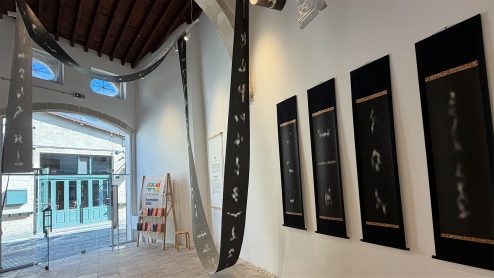
8 million traces – Larnaca Biennale 2025 Exhibition
digital print
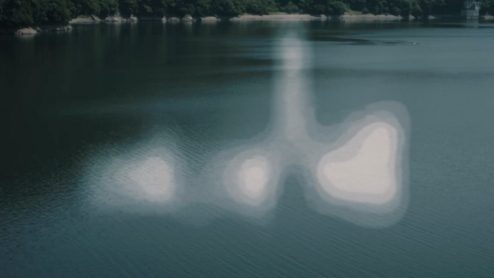
What was Almost There
video
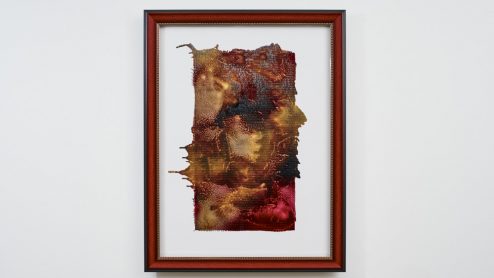
The Image Left Unclaimed
digital print
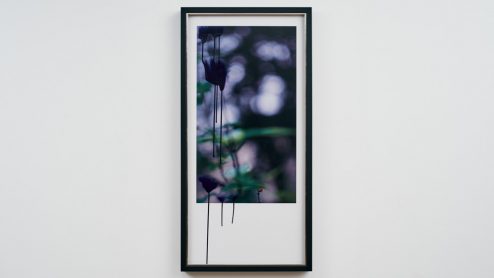
The Hesitation of the Image
digital print
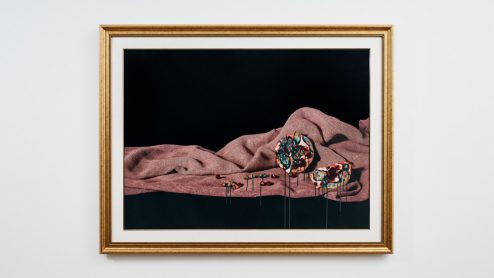
STILL VOICE
digital print
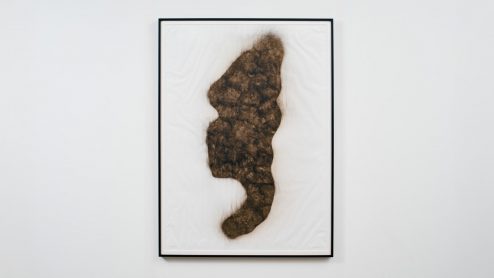
Surfaces of Echo
painting
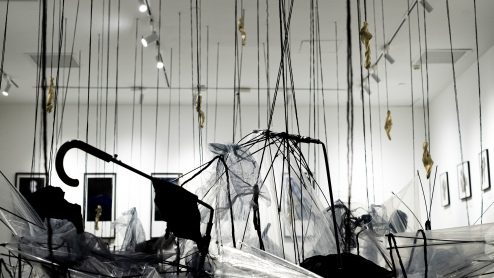
The Grammar of Silence
installation
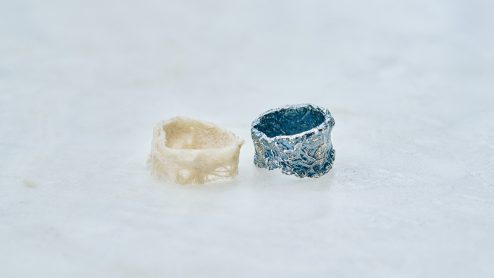
When Metal Dreamed of Paper
jewelry
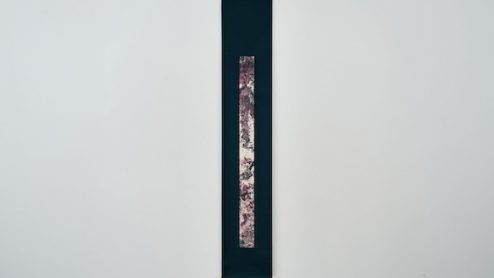
Study
painting
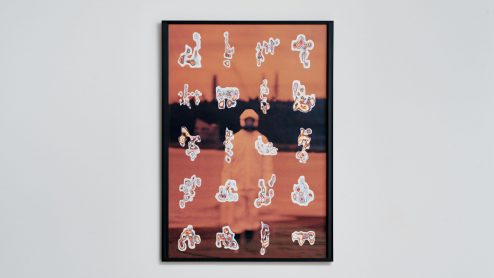
The Voice within the Voice “Fukushima Daiichi Nuclear disaster of March 11, 2011”
digital print
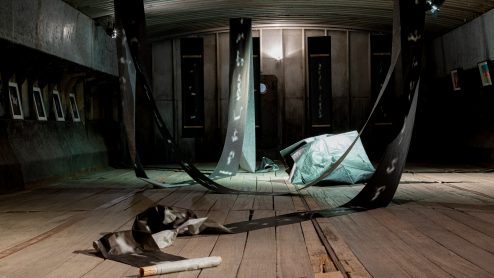
8 million traces
digital print
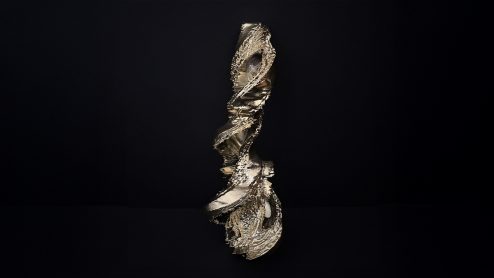
Sculpture of 8 million traces
sculpture

Specimens of the spilled over “Osaka Station”, “Kanazawa Station”, “Tsuruga Station”, “Kyoto Station”, “Yonago Station”, “Wakayama Station”, “Sannomiya Station”, “Okayama Station”, “Hiroshima Station”, “Hakata Station”
commission work
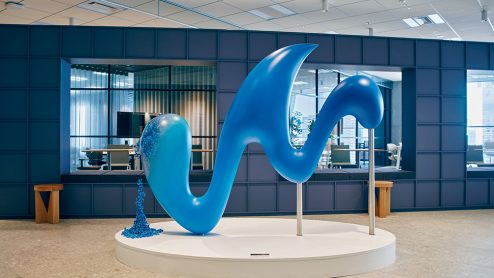
We all Wesmo!
commission work
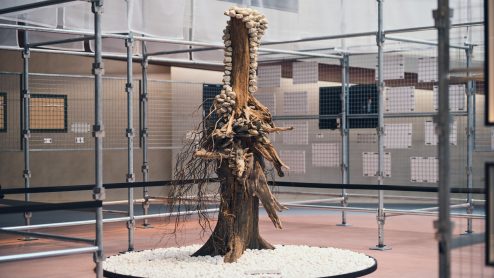
A BOUQUET OF DIVERSITY
sculpture
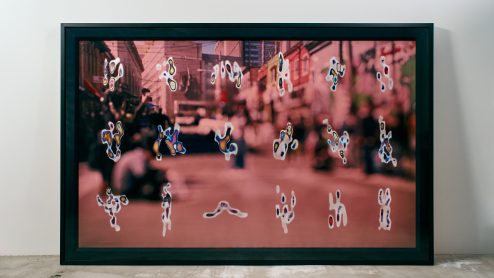
The Voice within the Voice “Sandra Oh speaks at anti-Asian hate rally in Oakland / The Pitt News”
digital print
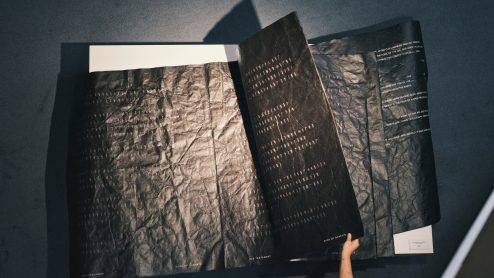
Stories Not Used “OLD TESTAMENT” BOOK OF GENESIS
digital print
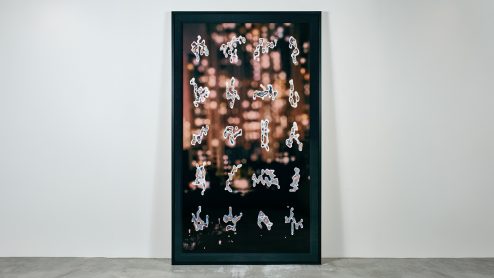
The Voice within the Voice “People shouting from their windows during the lockdown in Shanghai / Patrick Madrid’s post on X”
digital print
LETTER FOR YOU
To receive news on upcoming exhibitions and artworks.
Please subscribe to our newsletter.